My Body.
How is my body organised?
You may already know that within the human body, there are many different types of cell. These cells are able to join together with others of the same type, to form body tissues, which are have specific jobs to do, such as heart tissue which is adapted to carry electrical signals, or muscle tissue which is able to stretch allowing for movement. You can see some incredible images of the main types of cells and tissues found in the human body in this article.
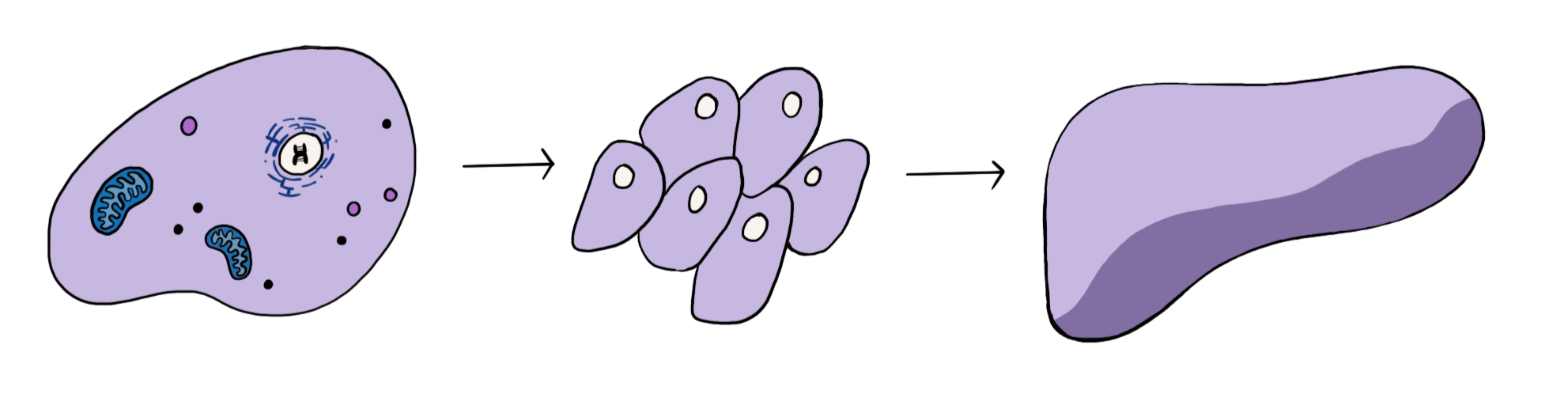
Cells > Tissues > Organs
When these body tissues join together, they create complex structures called organs. Some may be familiar, and others you may not know so much about, but each has a very specific job to do in your body.
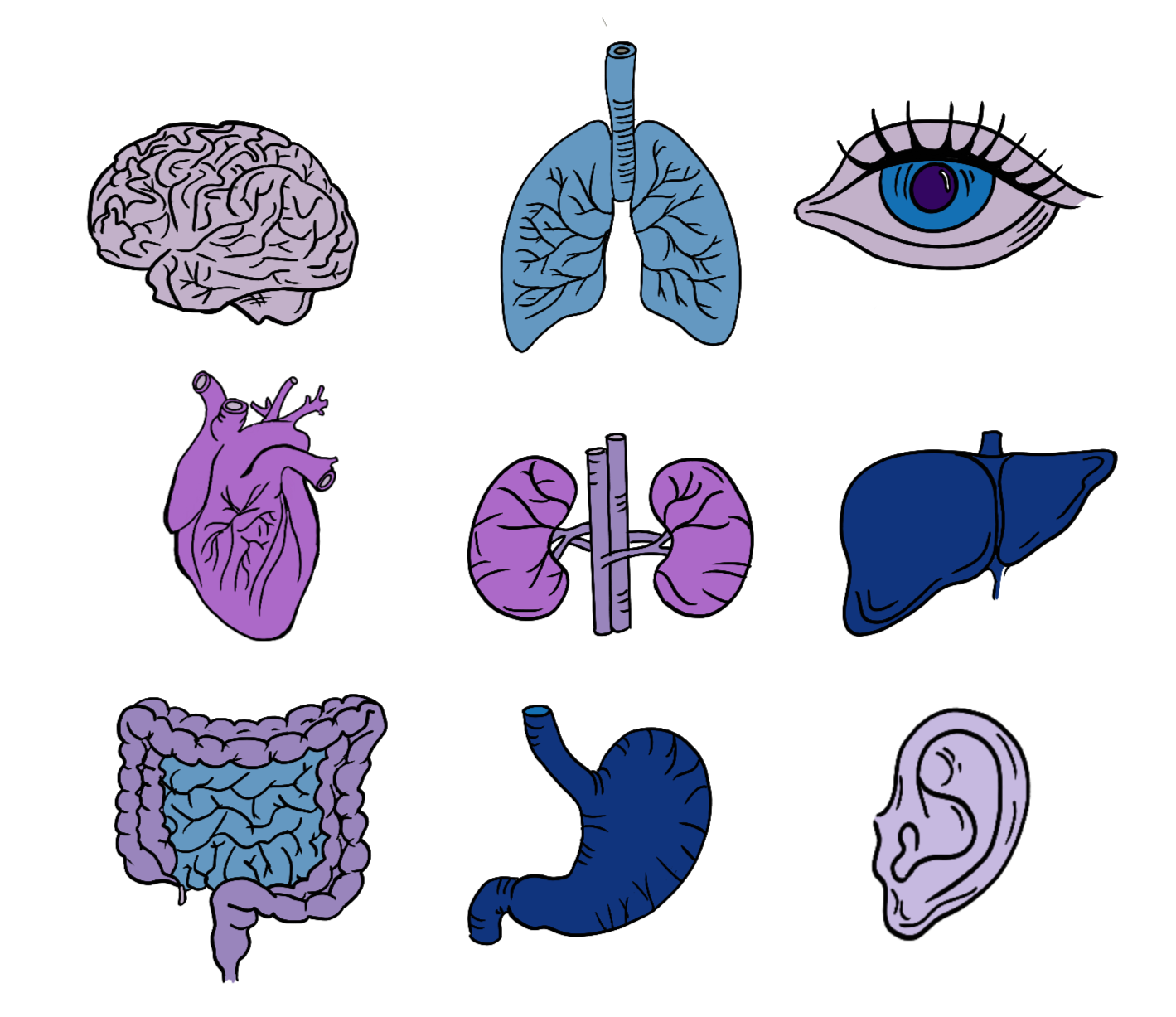
This video is a quick introduction to some of the major body organs.
All of your body organs work together in bigger groups called Organ Systems. There are 11 organ systems within the human body! These systems are responsible for all of your body's functions, including breathing, eating, moving, thinking and fighting off germs.
The video opposite provides a brief overview of all the body systems and how they interact with each other. If you prefer to read, then check out the list below instead.
-
The digestive system is made up of all the organs needed to break down food into energy and essential nutrients. This includes your mouth, stomach, small intestines and large intestines, as well as your liver and pancreas. Digestion is a complex but vital process.
-
Our skeletal system provides the human body with structure and support. A human adult has 206 bones in their body!
-
The respiratory system’s role is gas exchange - allowing Oxygen into the body (so it can be used in respiration to create energy for the body) and to remove waste gases such as Carbon Dioxide. It contains the airways and lungs, and connects to the circulatory system.
-
The muscular system connects to our skeletal system, with tendons and muscles moving the bones, allowing us to move.
-
The circulatory system contains the heart, lungs, and blood vessels. It transports blood around the body, allowing essential nutrients to reach all cells. It also transports Oxygen to the cells, and removes waste gases such as Carbon Dioxide.
-
A complex system, the nervous system runs throughout our entire body. Made up of specialist cells and long nerves, the system is responsible for carrying messages to and from the brain. This system has two main parts - the central nervous system which is made up of the spinal cord and brain, and the peripheral nervous system which is made up of the nerve cells running through the body.
-
Consider this the control centre of the body.
-
Play a vital role in gas exchange, making sure we have enough Oxygen in our bodies.
-
A major sense organ, the eye takes in light allowing us to see the environment around us.
-
A muscular organ which pumps blood (containing nutrients and Oxygen) around the body.
-
The Kidneys have many roles, but are known for filtering waste from our blood and maintaining water balance in the body.
-
Our small intestines remove all the nutrients from our food, and the large intestines remove water.
-
The stomach contains chemicals which help to break down our food. It also has muscular walls which help speed up the process.
-
Our ears contain small bones and fluid, which allows us to detect sound vibrations.
-
Also know as the urinary system, this collection of organs are responsible for removing waste from the body. It includes the kidneys, skin and liver, as well as the bladder and large intestines.
-
The endocrine system is made up of glands which secrete hormones - chemicals which act as messengers, responsible for regulating the activity of cells and organs.
-
This network of organs and tissues is responsible for disposing of toxins and waste. Made up of lymph fluid, which contains infection-fighting white blood cells, the system transports lymph around the body helping to keep it safe from pathogens.
-
This system is made up of the skin, hair, nails and exocrine glands. The skin is the largest body organ (see the sidequest below!) and is the body’s first defense against pathogens.
-
Reproductive systems differ depending on your biological sex. The system contains internal and external sex organs, and their role is reproduction - making more humans!
If you are interested in diving deeper into some of the body’s systems, you could explore with these interactive anatomy diagrams.
Side quest!
Did you know that our skin is the largest organ in our body? It creates a protective barrier against things that could harm us, such as viruses and bacteria, keeps our organs safe and acts as a waterproof barrier!
Time to play!
While you'll often see or hear information about each body system talked about separately, they do not work in isolation. Each body system will interact with others. For example, your digestive system removes water from the food you eat, which then enters the Circulatory System moving through the blood, and finally moving into the Urinary system as waste.
This rather awesome interactive tool allows you to see how cells, tissues and organs come together to form the human body.
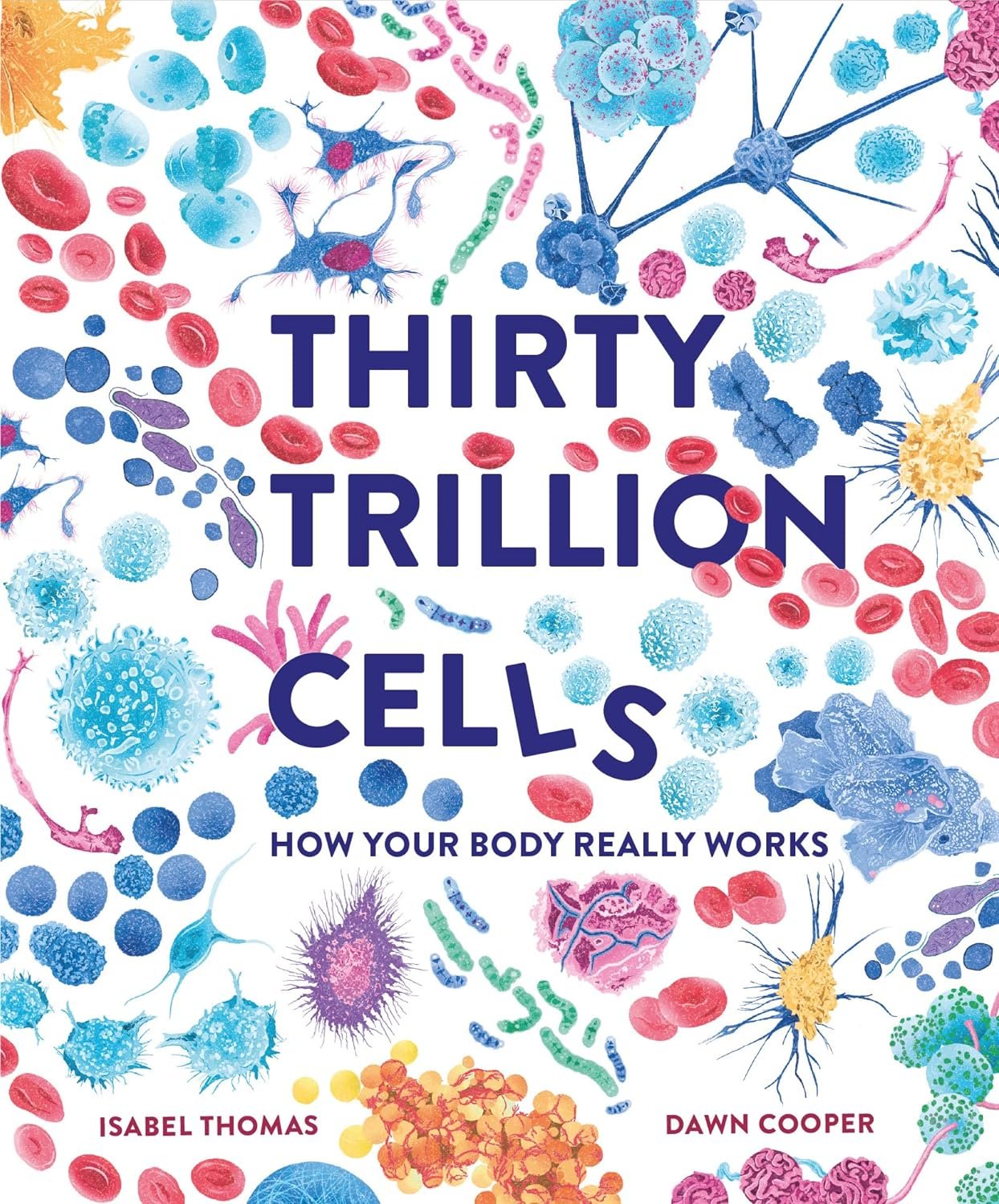
Thirty Trillion Cells
This beautifully illustrated book by Isabel Thomas and Dawn Cooper shares even more information about the human body.
“The tiniest building blocks of life are crammed amongst the pages of this book, waiting to be discovered. From individual cells to complex systems, discover how your body moves, grows, breathes, senses, thinks and feels. Find out why you get butterflies in your stomach, how your brain is more complex than the most powerful computer, and that you are home to more bacteria cells than there are stars in the Milky Way."