My Brain.
How do brains differ?
Biology is a BIG fan of variation, after all, it is natural variation that has allowed individual species to evolve on our ever changing planet. While as members of the human species we all have the same basic biology, the way our brains work (our neurology) is unique to us. These differences in neurology can have small or large effects on the way we perceive and interact with the world.
The way we think
We all experience a myriad of thoughts, emotions and sensory information each day. The way we process these thoughts will depend on our unique neurology. Some people are able to process multiple information streams at any one time (this is known as polytropism), others need to draw attention to one particular focus in order to process the information effectively (known as monotropism). Some people will be able to process information quickly, while others need more time, and all the while our environment is also be impacting our ability to process too.
This video from The Anna Freud Centre and Kieran Rose (The Autistic Advocate) explains the difference between these two forms of information processing.
The way we hear
Synesthesia occurs when one sensory pathway causes experiences in another - for example, listening to music (hearing) triggers a visual response (seeing the music as colours). A person who experiences synesthesia, a synesthete, does not have control over the connection. It is simply another way of perceiving the world (cool eh?).
There are many different types of synesthesia including: grapheme-colour (seeing letters or numbers as colours), mirror-touch (feeling the same sensations as another human being, for instance, seeing someone receive a hug and feeling the hug themselves), and lexical-gustatory (hearing words and tasting them).
The way we see
There are many neurological experiences that can alter our vision. One of the most well known is colour blindness which causes variation in the way people experience colour vision. These variations can be inherited (caused by our genetics) or acquired during our lifetime (usually due to damage or disease).
Someone who is colour blind may face difficulties in seeing the difference between different colours, which can make life a little trickier - for example, a common form of colour blindness affects the ability to see the difference between red and green. This affects drivers as they would not be able to see the difference between a red or green light.
In this video, anthropologist Amanda Melin talks about the positive effects of being colour blind, and explores the advantages in terms of natural variation and survival of the species.
If you would like to explore the experience of being colour blind, this simulator will allow you to look at some of the common variations in humans see colour.
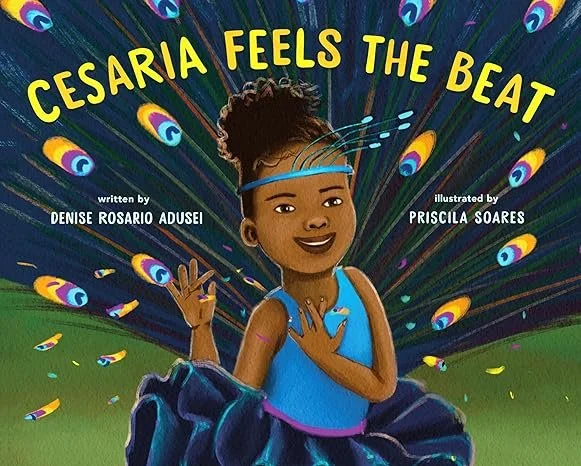
Cesaria Feels the Beat
This book by Denise Rosario Adusei and Priscilla Soares, follows Cesaria, who is going to perform in the seaside Carnival. It is a lyrical and heartfelt story exploring experiences of deafness, community, and the celebration of carnival.
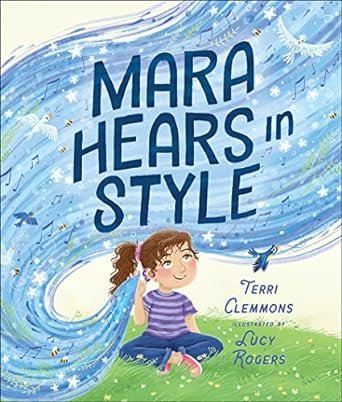
Mara Hears in Style
This beautifully illustrated book by Terri Clemmons and Lucy Rogers explores the Mara’s experience of hearing and communicating within a school environment. The book uses American Sign Language (ASL) throughout.