My body.
Are all brains the same?
Every human on this planet is unique, and part of what makes us this way is our neurology - the way our brain works! While the basic physiology of our brain is all the same, our genetics, chemical processes, and personal experiences all interact to shape our own inner world. This diversity of brain differences is known as neurodiversity.
IMAGE SPACEHOLDER - Create an image to show neurodiversity language.
-
Neurodiversity is a term created by Judy Singer in the late 1990’s. It describes the natural variety in the way our brains function.
-
A term used to describe a population which contains different neurotypes.
For example; a family may have one ADHD person, one Autistic person, and one Neurotypical person. That family would be described as neurodiverse as there is a range of different neurotypes present.
-
The term Neurodivergent was coined by Kassiane Asasumasu in 2000.
The term describes groups of people whose communication, processing, perception and interaction permanently differs from what society considers ‘the norm’.
This includes genetic differences (such as ADHD) as well as acquired differences (such as brain damage caused by an accident).
“Nobody exactly like you has ever existed, or ever will exist, you are completely unique in your personality and how your brain works”
Some of the terms you have heard or read will sound very similar, and you'll often see them misused in the media which can cause confusion. Here are some definitions to help you explore the language around neurodiversity:
-
A term which is often used to describe groups of people whose communication, processing, perception and interaction is considered ‘the norm’ by society.
-
A strong focus on the needs of people who are considered neurotypical, usually to the detriment of all other neurotypes.
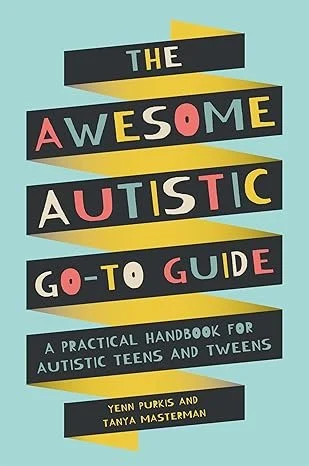
The Awesome Autistic Go-To Guide: A Practical Handbook for Autistic Teens and Tweens by Yenn Purkis and Tanya Masterman,
This book explores what it feels like to be an Autistic young person and looks at all the brilliant things people on the autism spectrum can do.
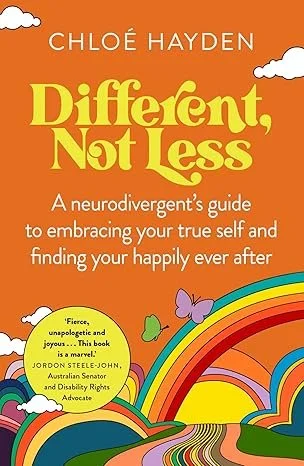
Different Not Less by Chloe Hayden
This book from Chloe Hayden is an honest, and emotive, exploration into what it means to be neurodivergent. Chloe offers personal stories, as well as ideas to neurodivergent folks support themselves and thrive.